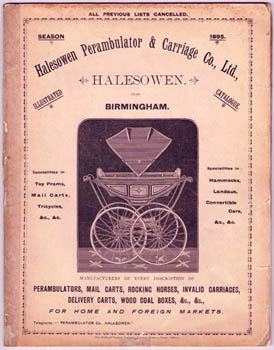
Catalogue - perambulators and carriages. Halesowen, Brirmingham. Halesown Perambulator & Carriage Co, Ltd. Illustrated Catalogue. Season 1895. The company 1895. Quarto publisher's illustrated wrapper (a bit frayed, with some discreet old repairs); 40pp, illustrated throughout with wood engravings. Au$300
Some pretty desirable stuff, a child's hansom cab for instance; inexplicably elaborate mail carts, kids rocking horses and tricycles and more.
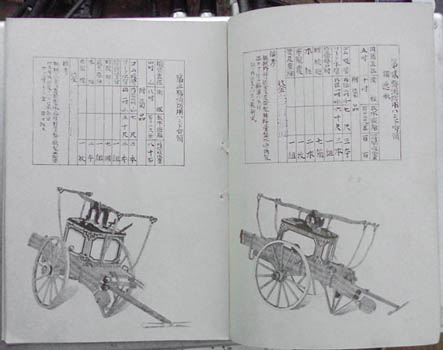
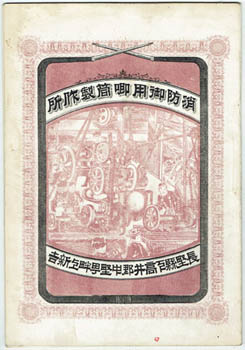
Catalogue - fire engines. [Shobo goyo sokuto seisakusho]. 1897 (Meiji 30). Octavo publisher's illustrated wrapper; [12]pp, each illustrated with the 'brass' highlighted (small splodges of brown). A bit smudged, used but rather good. Au$185
A most definitely rare trade catalogue with a dozen hand operated fire engines of varying size and capacity. Printed on quite heavy, decent paper; unlike other such catalogues of the time.
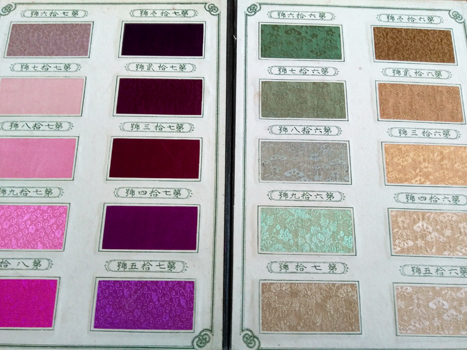
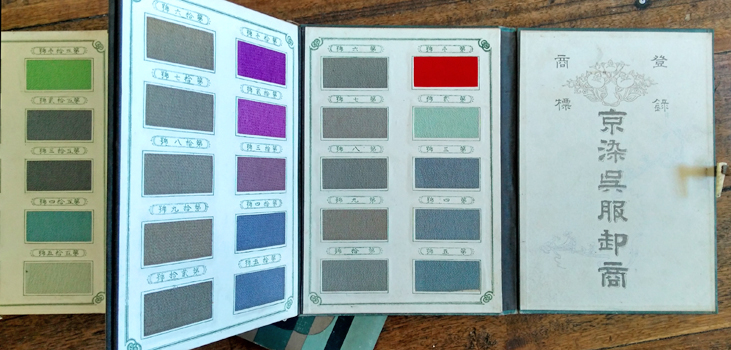
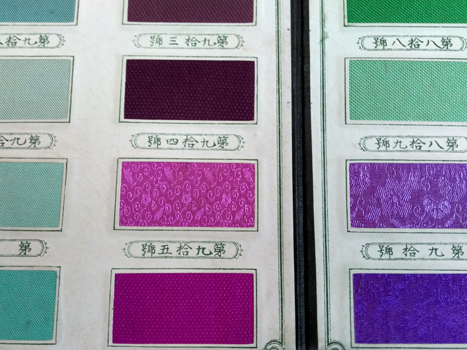
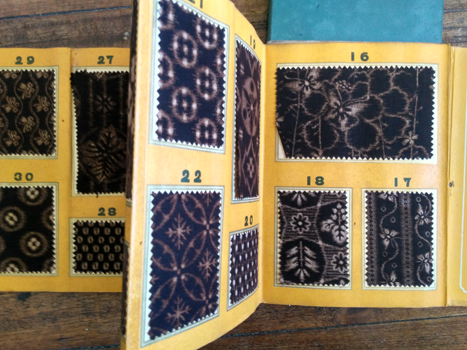
Textile sample book. [cover title] [Sawa Shirushi - Kyozome Gofuku Oroshisho]. Kyoto, Sawada Shoten [190-?]. 23x16cm publisher's cloth (discoloured) with bone clasp; 100 silk samples in accordian folding heavy printed card mounts. With another defective sample book with 30 of 32 samples of dyed cottons. Au$225
Finely grained, creped and patterned silks for kimonos. The name Sawada is still connected with kimonos in Kyoto but I can't trace any relationship. The current Sawada Shoten in Kyoto sells work clothes and was founded in 1968.
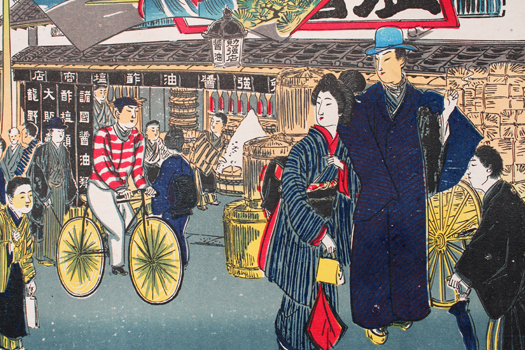
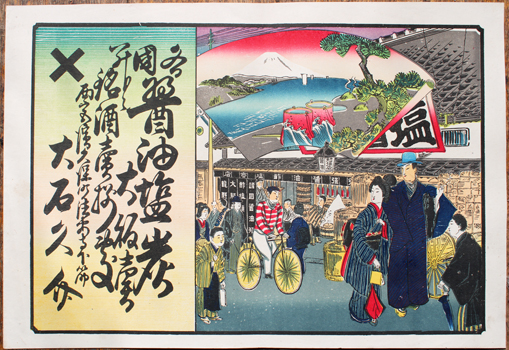
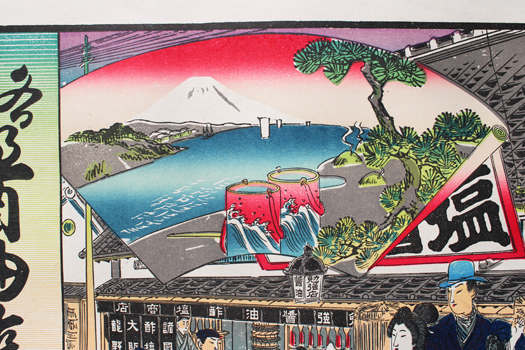
Hikifuda. ... [Shoyu Shio Sumi ...] np [190-?]. Colour lithograph 25x37cm. Pretty good. Au$150
An almost average street scene in late Meiji Japan but: without the telegraph poles and power lines, bowler hats and cyclist it could be a street scene generations earlier.
Hikifuda - small posters or handbills often handed out as seasonal gifts - were usually produced with the text panel blank. The customer, usually a retailer, had their own details over printed, so the same image might sell fine silk or soy sauce. This one, from a Nishinomiya (between Osaka and Kobe) dealer, indeed sells soy sauce, salt, sake and charcoal - tradition kept alive in the modern world.
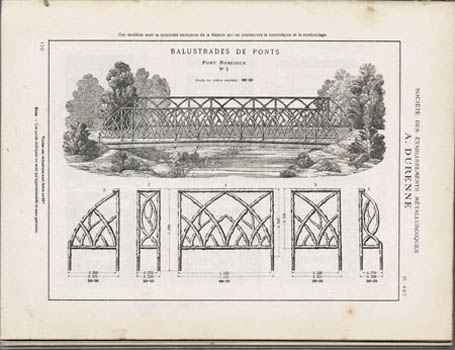
Catalogue - Cast Iron. A. Durenne, Paris &c. Societe Anonyme des Etablissement Metallurgiques A. Durenne. The company c1900. Octavo publisher's cloth backed boards (rubbed and a bit worn); [2],727pp, thousands of illustrations. Used but decent enough. Au$450
An enormous range of balustrades for balconies, staircases, bridges, friezes and fringes, door panels and fanlights, balusters, columns, pilasters, finials, grilles and gates, etc. Printed earlier but issued after the 1900 Universal Exposition, with a stamp on the title announcing their prize.
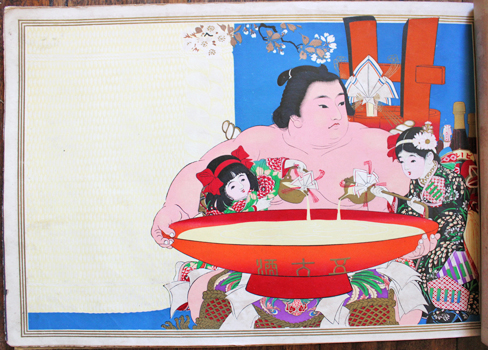
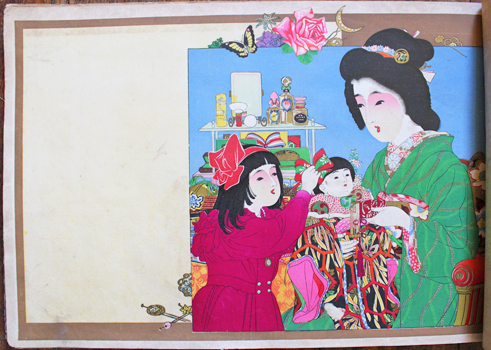
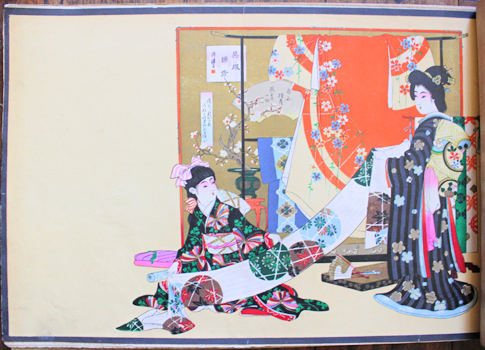
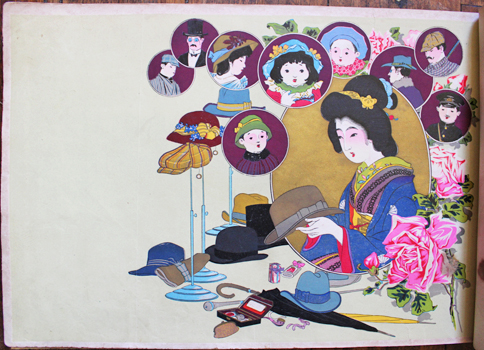
Hikifuda specimen book. A publisher's sample book of specimen hikifuda. n.p. (Osaka?) 190-? 26x39cm; later makeshift card binding that appears to be from a printer; 76 colour lithographs. Definite signs of use, occasional tears but nothing too serious. Au$2750
These are rare. Specimen hikifuda do float around but this is because busy fingers have dismembered every sample book they can find. Here series and numbers are stamped on the back but are not consistent; still I found only three places where offsetting shows that a sample is missing, including the first plate.
Hikifuda - small posters or handbills - were usually produced with the text panel blank. The customer, usually a retailer, had their own details over printed, so the same image might sell fine silk or soy sauce.
From what I can see, if you wanted fine, delicate printing you went to Kyoto; if you wanted commercial publishing on a huge scale you went to Tokyo; and if you wanted brash, vivid to the point of lurid, advertising you went to Osaka. This particular set is marked by the bold and busy colours, strongly marked borders, ornate design and occasional extra embossing. More expensive series than standard? I would have guessed most to be earlier but I found two dates: 1911 and 1915, and the aeroplanes are a give away.
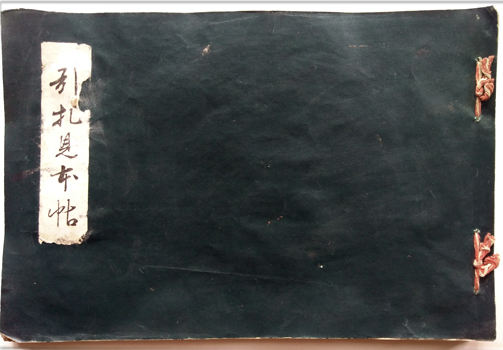
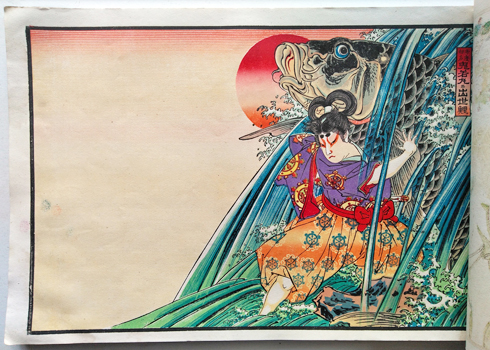
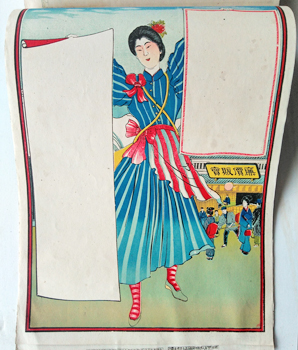
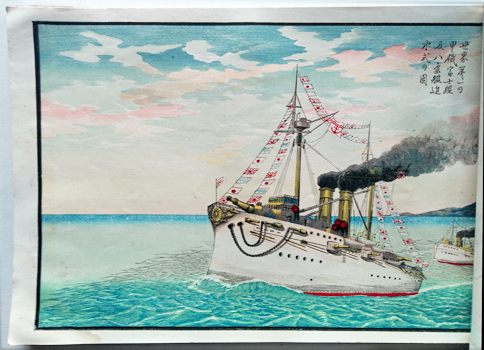
Hikifuda specimen book. [Hikifuda Mihon Jo]. Osaka c1902. 25x37cm original string tied wrappers, title label; 60 colour lithographs. Some minor signs of use, stains and blotches; a remarkably good copy. Au$5100
Now this is rare. Specimen hikifuda do float around but this is because busy fingers have dismembered every sample book they can find. I knew they once existed because I've had a few individuals, each time noting the stab holes in the margin with some indignant grief. This is complete as issued.
Hikifuda - small posters or handbills - were usually produced with the text panel blank. The customer, usually a retailer, had their own details over printed, so the same image might sell fine silk or soy sauce. The colophons that have survived the trimmer in this book date between 1899 and 1902. Each hikifuda is numbered on the back but not in any sequence. I haven't deciphered a printer's name in the colophons but I'm sure someone literate can.
From what I can see, if you wanted fine, delicate printing you went to Kyoto; if you wanted commercial publishing on a huge scale you went to Tokyo; and if you wanted brash, vivid to the point of lurid, advertising you went to Osaka. I hope other printer's albums of Osaka advertising art have and will survive the breakers but I won't be holding my breath for the next one.
The splendidly flamboyant and assertive modern young woman in stripes toward the end of the album is unlike any other I've seen from this period. A special copy (on heavier paper) of that was my first hikifuda purchase and is still my favourite. And since this album has just doubled the number I've handled, that's saying something. Another shows a hardworking young couple with the main caption 'Shiobara Tasuke' - who was a rags to riches merchant of the 18th and early 19th century. This makes sense but doesn't explain why the cheerful young woman is about to blithely put a cleaver through her kimono and/or arm while the falcon and the naval artist does explain why Japan has such a tradition of impossible bird's-eye views. There's stuff to learn here.
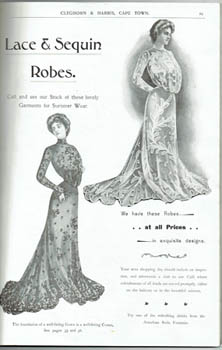
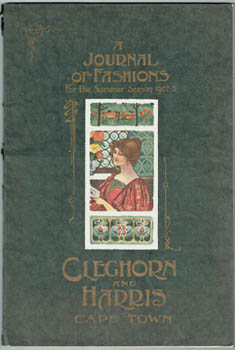
Catalogue - fashion. Cleghorn & Harris, Cape Town. A Journal of Fashions for the Summer Season 1902-3. The company 1902. Folio (37x25cm) publisher's printed wrapper with onlaid colour illustrations (a colour view of their building on the back); [2],142pp illustrated throughout in line and half-tone. Used with some minor flaws, a more than decent copy. Order form detached at the end but the gent's half still present. Au$350
An expansive and handsome catalogue of dress of all layers for all occasions for women, men, children and infants. As well: fancy work, drapery and haberdashery, household goods, stationery, clocks and watches, and a couple of pages of cricket equipment. How many catalogues like this Cleghorn and Harris issued remains a mystery to me; I can't find a record of any catalogue anywhere, including South Africa.
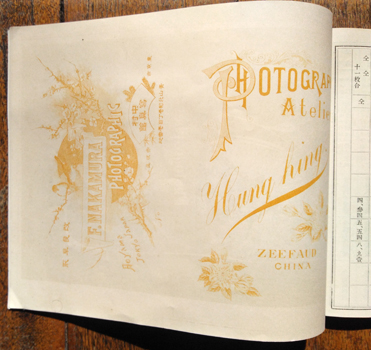
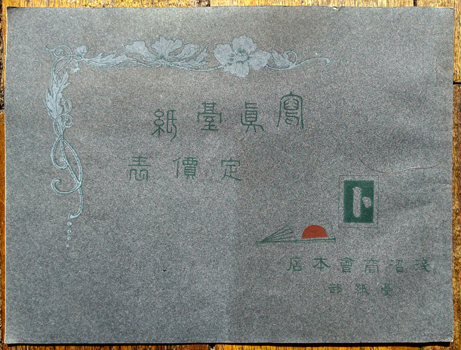
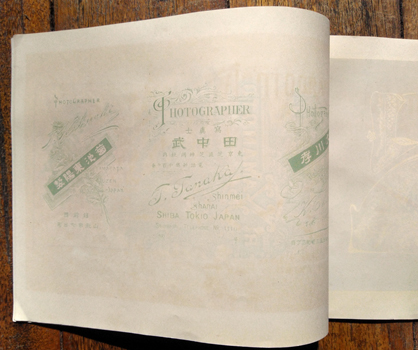
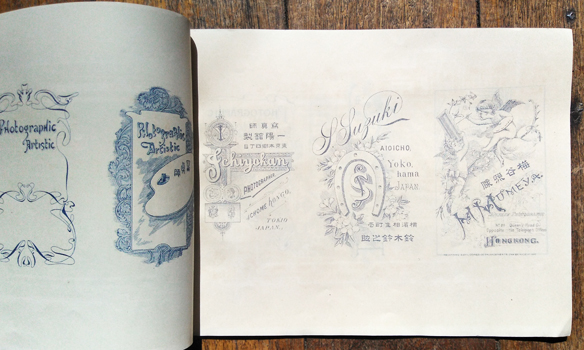
Catalogue - printed photograph mounts. Asanuma Shokai. [Shashin Daishi Teika-hyo]. n.p. Asanuma Shokai 1903 (Meiji 36). 18x23cm publisher's decorated wrapper; [8]pp and 12 pages of illustrated examples in various monochromes. A nice copy. Au$500
A mountain of printed and most decorative mounts for studio photographs were produced but this is the first catalogue of them I've seen. Most of these appear to be actual examples produced for photographers in Japan, Hong Kong, China and maybe Manchuria - judging by the Russian type. As an example of maybe a dim corner of photographic history - I don't know enough to judge - this is pretty good, but as an example of a dark corner of graphic design and commercial printing this is fabulous.
The last plate is an array of decorative borders.
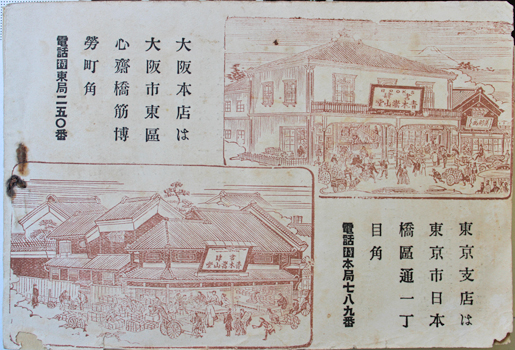
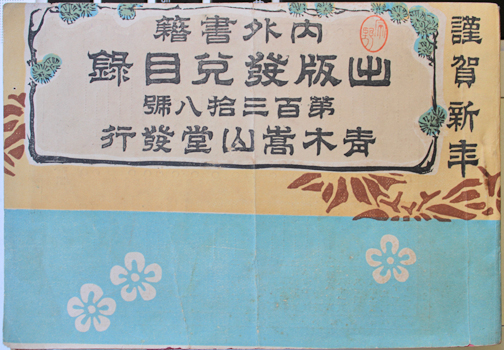
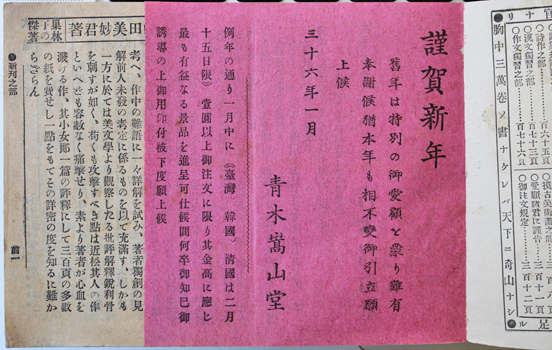
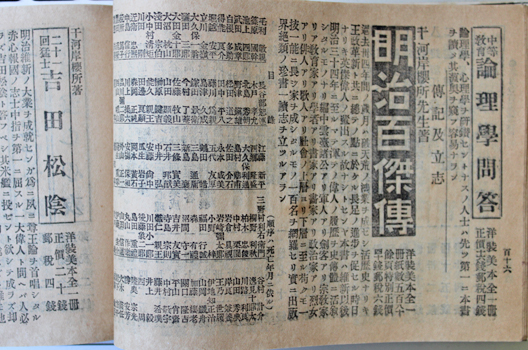
Catalogue - books. Aoki Suzando. [Naigai Shoseki Shuppan Hatsuda Mokuroku] Aoki Suzando 1903 (Meiji 36). 11x16cm publisher's colour printed wrapper; 316pp. Natural browning of the paper, an old fold; a rather good copy. Au$65
Aoki Suzando was a busy and bigtime publisher of prints and bookseller with shops in Osaka and Tokyo from the late 1870s to the early 1920s. These are illustrated on the back wrapper.
I have no idea how many thousand books are in this catalogue of domestic and foreign books but it must be a pretty good indication of what was available in late Meiji Japan.
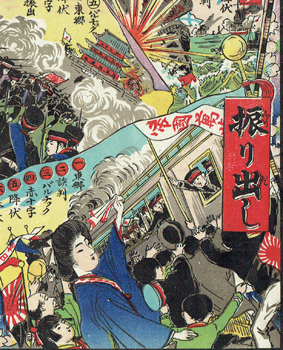
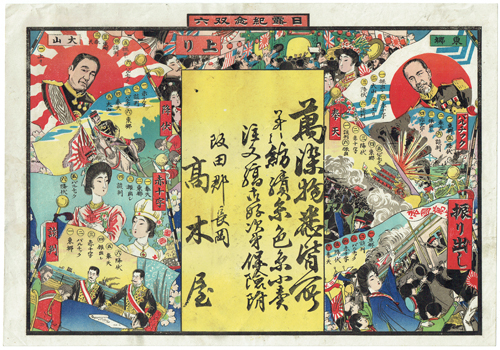
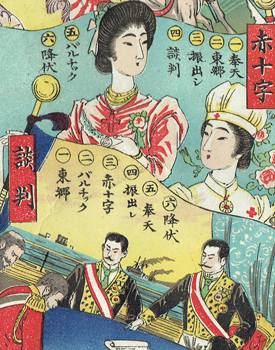
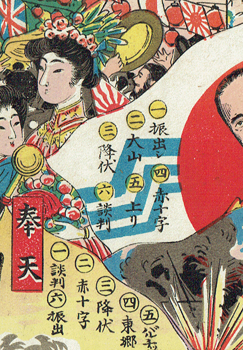
Hikifuda & Sugoroku. [Nichiro Kinen Sugoroku]. n.p. [1905?]. Colour lithograph 26x37cm. A bit smudged and rumpled, pretty good. Au$300
I have seen a few hikifuda made as sugoroku but they have been staid affairs featuring birds, flowers and graceful women in flowing kimonos. This exuberant advertisement game celebrates the Russo-Japanese war victory.
These hikifuda - small posters or handbills - were usually produced with the text panel blank. The customer, usually a retailer, had their own details over printed.
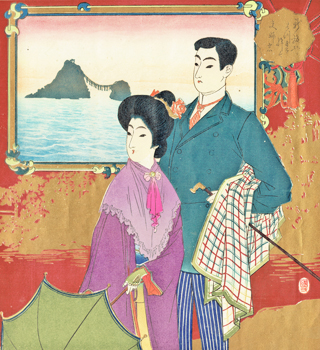
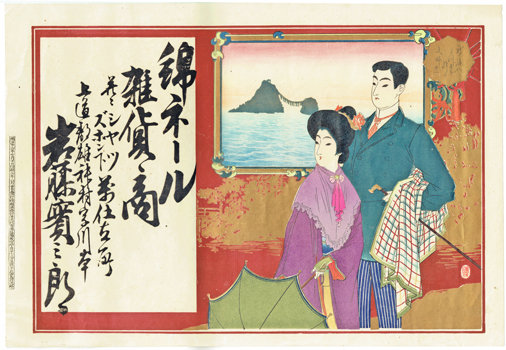
Hikifuda. [Wata Neru Zakka-Sho]. 1906 (Meiji 39). Colour lithograph 38x26cm. Au$135
I'm sure this insufferable couple are appalled to find they are advertising cotton, nails and general merchandise. I suspect that picture behind them is the view through their stateroom window. They must have thought they would showcase luxury travel and travel goods.
Hikifuda - small posters or handbills - were usually produced with the text panel blank. The customer, usually a retailer, had their own details over printed, so the same image might sell fine silk or soy sauce.
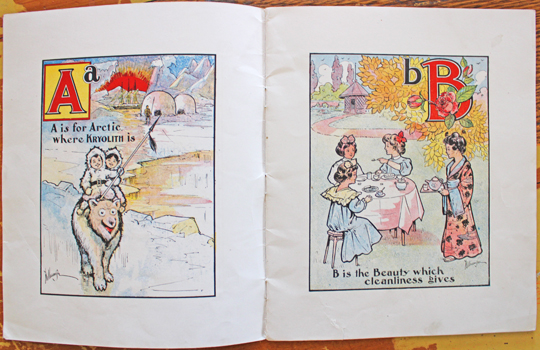
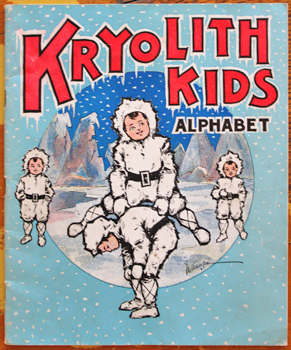
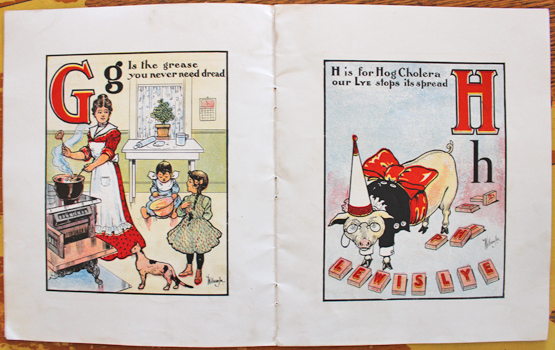
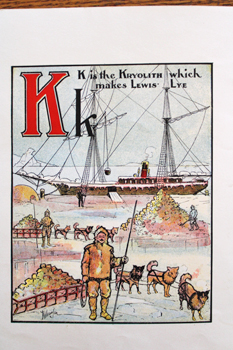
Advertising ABC. Kryolith. Kryolith Kids Alphabet. Pennsylvania Salt Manufacturing Co [Chicago printed]. 1907. 21x18cm colour illustrated publisher's wrapper; 28pp, colour illustrations throughout by Art Williamson. A short tear in the bottom edge of one leaf, minimal signs of use, rather good. Au$300
A charming ABC extolling Kryolith - made into lye, caustic soda, sold as Lewis Lye - and the multitude of ways it makes life easier, healthier, more beautiful. Cryolite seems to have come from one source, a deposit on the Greenland coast which, once that lode was turned into lye or used in the production of aluminium, pretty much vanished from our lives.
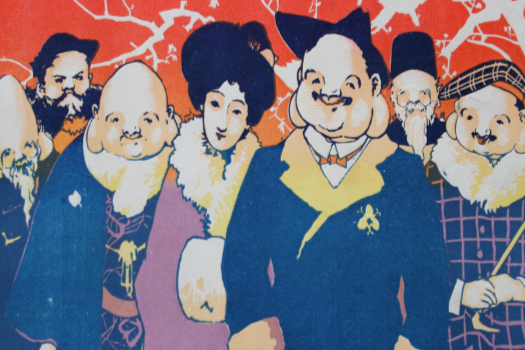
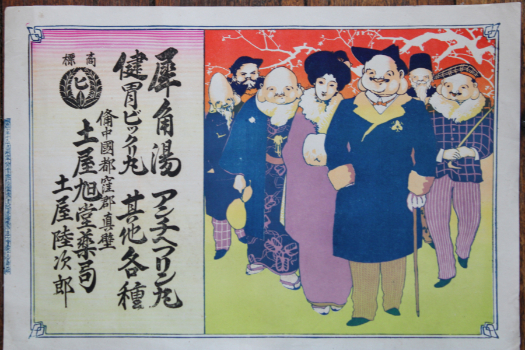
Hikifuda. [Tsuchiya Rikujiro]. Osaka 1907 (Meiji 40). 26x38cm colour lithograph. A nice copy. Au$100
You'd think this smug gang of dandies - the seven lucky gods - would be advertising fashion but they are peddling some sort of pharmaceuticals made by Tsuchiya Rikujiro out of Tsukobo in the Okayama area. The drug trade is treating them well.
Hikifuda - small posters or handbills often handed out as seasonal gifts - were usually produced with the text panel blank. The customer, usually a retailer, had their own details over printed, so the same image might sell fine silk or soy sauce.
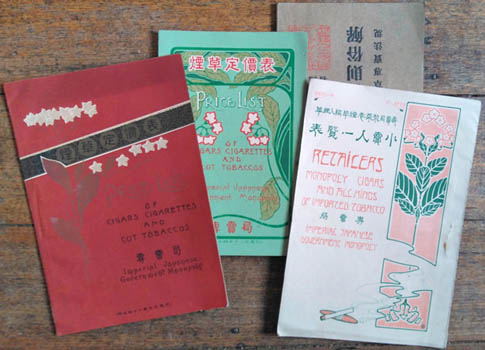
Tobacco. Three price and retailers lists of cigars, cigarettes and tobacco and a manual of rules and regulations from the Imperial Japanese Government Monopoly. [Tokyo?] 1908-1911. Four items, varying octavos, publisher's printed wrappers; ranging from 20 to 72 pages, errata slips. Minor signs of use, pretty good. In English and Japanese but for the regulations (1910) which is in Japanese. Au$60
A neat little precis of the tobacco market in the early 20th century, domestic and imported, at a time when decent cigarettes most likely came from Egypt, often with a gold tip. In 1904 the government nationalised all tobacco products in Japan, pushed by outrage at the multi-million dollar purchase of Japanese tobacco interests by the newly formed British-American Tobacco Company. The English sections of the lists are for foreigners in Japan.
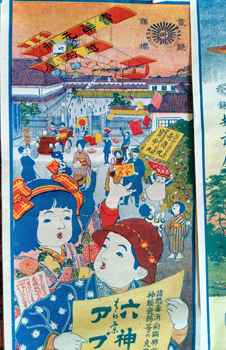
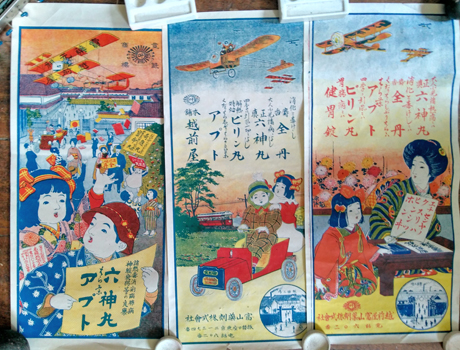
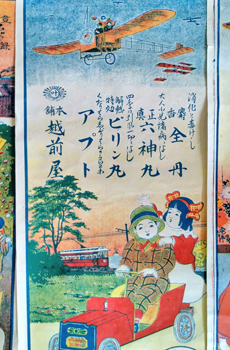
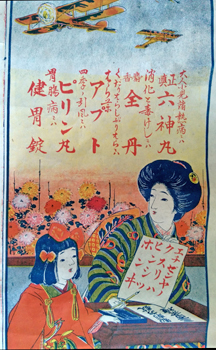
Hikifuda. - [Rokujinmaru aputo - Toyama Seizai Kabushikigaisha]. Toyama Pharmaceutical [191-?]. Three lithographs 39x18cm each. Au$300
A trio of carols to modernity, the future and whatever it is that Rokujinmaru does. Some sort of herbal medicine, presumably it makes children joyous, smart and eager to speed into the future.
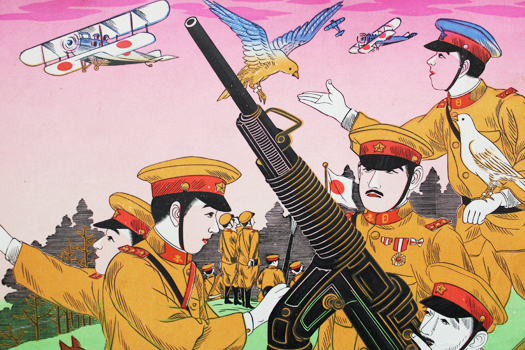
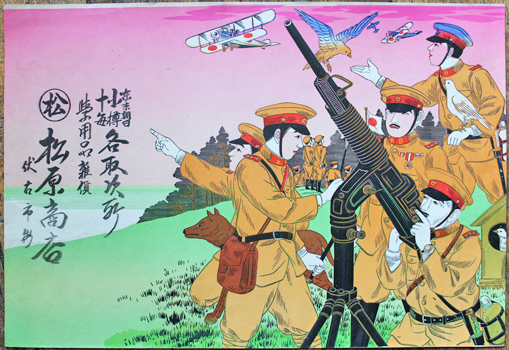
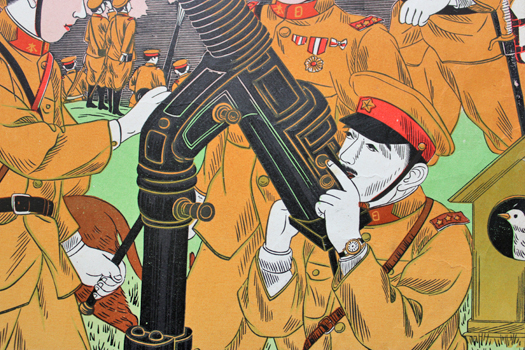
Hikifuda. ... [Gakuyohin ...]. np [191-?]. Colour lithograph 26x38cm. A nice copy. Au$135
Presumably this hallucinatory hikifuda dates from around the first world war. At first I feared that the 'clay' of 'clay pigeons' had been lost in translation but these dopey looking young soldiers are concentrating rather than thick or stoned. The young men and animals of Japan are prepared.
Hikifuda - small posters or handbills - were usually produced with the text panel blank. The customer, usually a retailer, had their own details over printed, so the same image might sell fine silk or soy sauce. Here, I believe, the products on offer are school supplies.
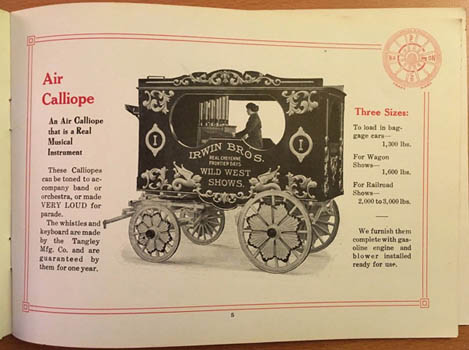
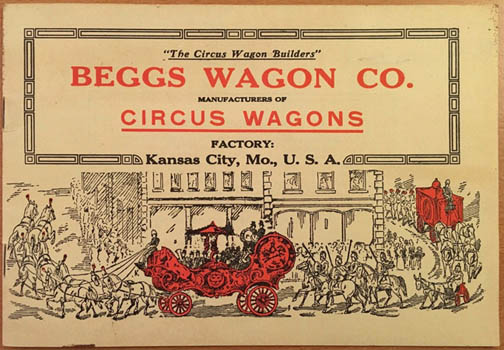
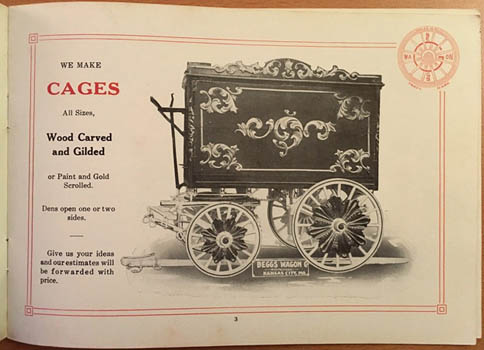
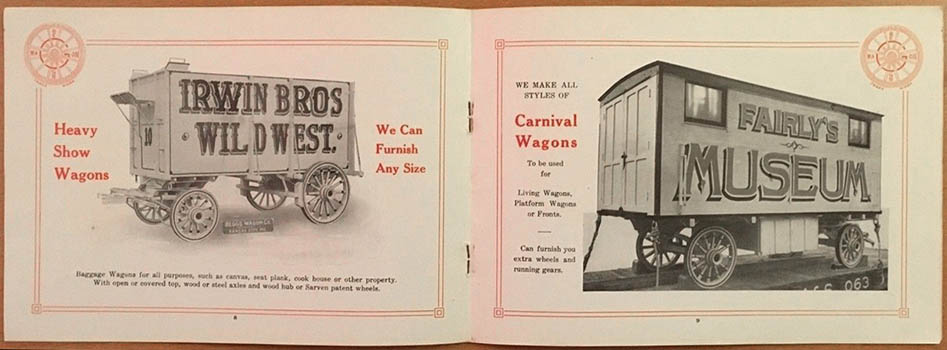
Catalogue - Circus wagons. Beggs Wagon Co. Kansas City, Mo. Beggs Wagon Co. Manufacturers of Circus Wagons, Band Wagons, Ticket Wagons, Cages, Calliopes, Racing Chariots ... Kansas City, Mo [c1910]. 14x20cm publisher's illustrated wrapper; 16pp, illustrated throughout. Insignificant signs of use. Signed on the back by J.W. Begg. Au$600
Fabulous and rare. I didn't know there was such a thing as a circus wagon catalogue until I saw this. There was a reprint of this done in the seventies but I can't find another copy of the original anywhere. Beggs started in the wagon business in 1875, expanded into show business around the time of this catalogue then turned to automobiles which took them into the twenties but no further.
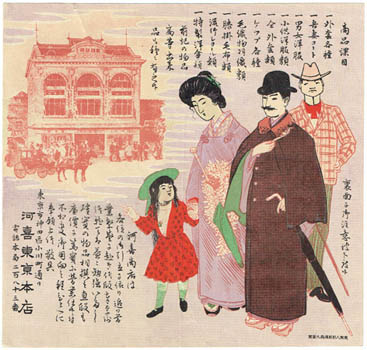
Hikifuda - fashion. . A small hikifuda - handbill - advertising fashion from Kawaki Shoten in Ogawamachi in Tokyo. Tokyo [c1910?]. Colour lithograph broadsheet 18x19cm. Illustration on one side, text in blue on the other. An old crease. Au$65
Small but chic. Is the young dandy wanting the stylish but undeniably bourgeois family to move on or is that merely a dandy's customary expression of disdain?
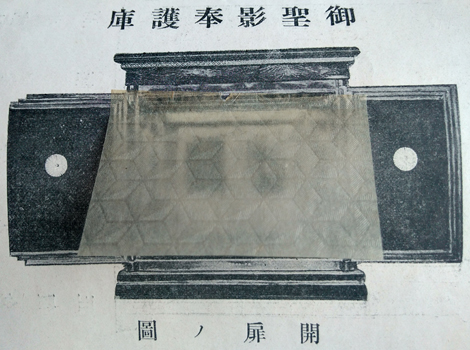
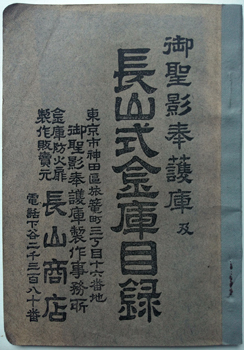
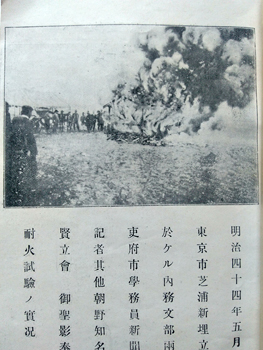
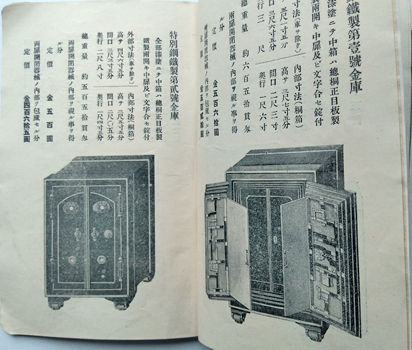
Catalogue - safes. Nagayama Safe Co. [Nagayama Shiki Kinko Mokuroku]. Tokyo, Nagayama 1911 (Meiji 44). 18x13 publisher's printed wrapper; [34]pp interspersed with a scattering of varied decorative tissue leaves, halftone illustrations. Au$200
Safe catalogues are hard to find but not hard to open. The first few photos illustrate the burning of a small structure with one of their safes inside and the open safe safe and sound, so to speak. But I find it hard to believe that a company that would go the trouble of mounting a small protective tissue over the illustration of the portraits of the emperor and empress inside the safe would deliberately put their portraits anywhere near a fire.
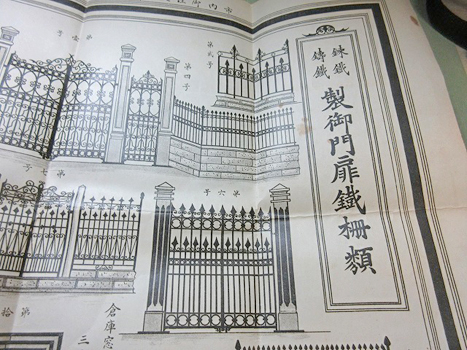
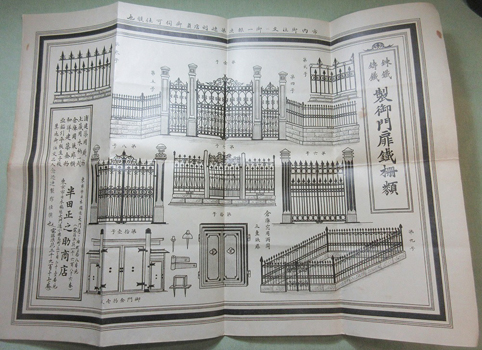
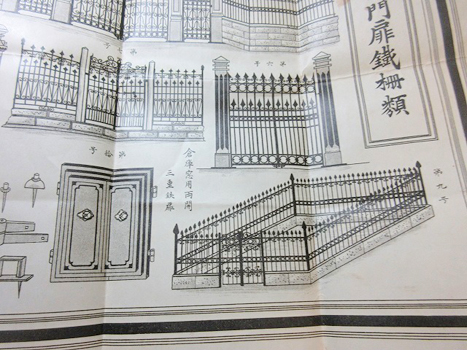
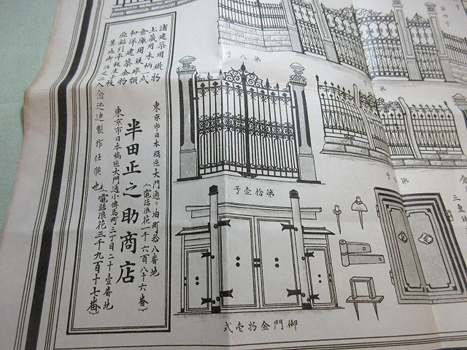
Catalogue - Iron gates, fences &c. Handa Shonosuke Shoten. [Sentetsuseio Monpi Tetsusakurui?]. Tokyo, Handa Shonosuke Shoten [c1913]. Lithograph broadside 40x56cm. A couple of small blotches, still a nice copy. Au$100
A handsome array of iron gates, fences and doors. Very similar - but not quite the same - to a broadside from the same place dated 1913.
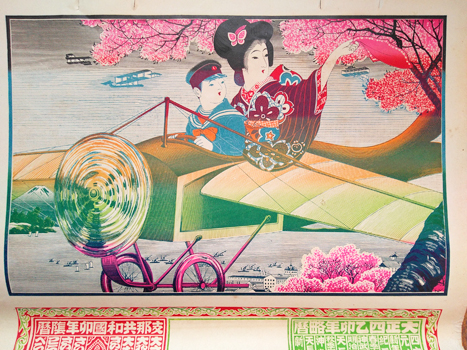
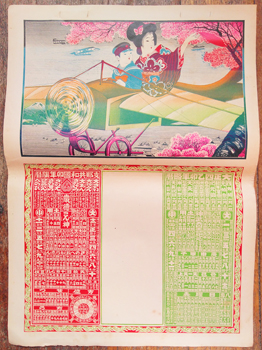
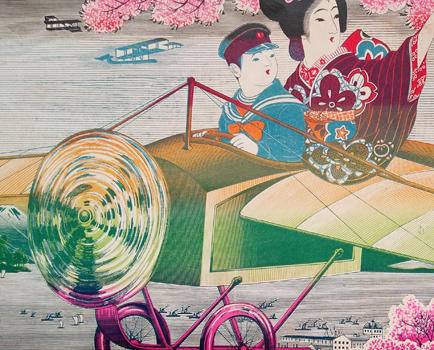
Specimen hikifuda. Large hikifuda of a boy flying his mother in a monoplane. n.p.n.d. (1914). Colour lithograph 53x38cm. Stab holes in the top margin, catalogue number on the back, showing it was once in a specimen book. Folded rather than creased. Au$200
That woman and child are modelled on the crown princess and her first son - Hirohito - as they were a few years before. She is adventurous enough to go skylarking but still the boy must drive. Around and below are most of the things that make Japan Japan - cherry blossoms, industry and Fuji.
Hikifuda - small posters or handbills - were usually produced with the text panel blank. The customer, usually a retailer, had their own details over printed, so the same image might sell fine silk or soy sauce. This one is double the standard size; the timetable or calendar is for 1915.
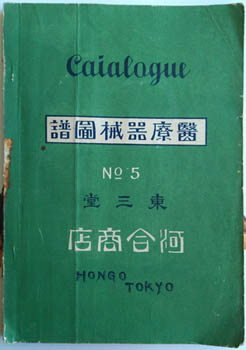
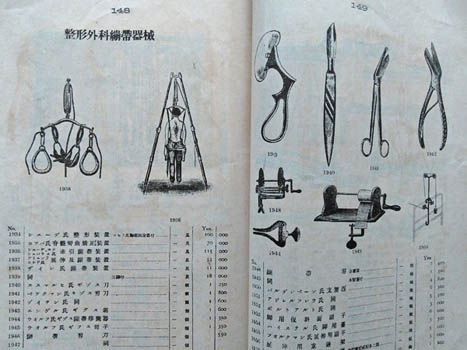
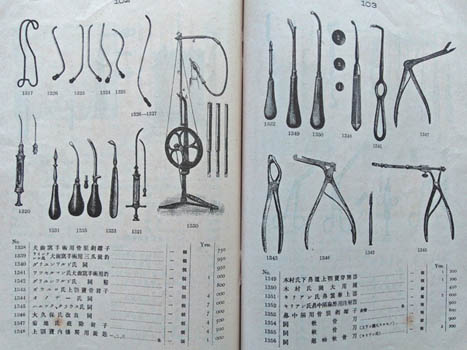
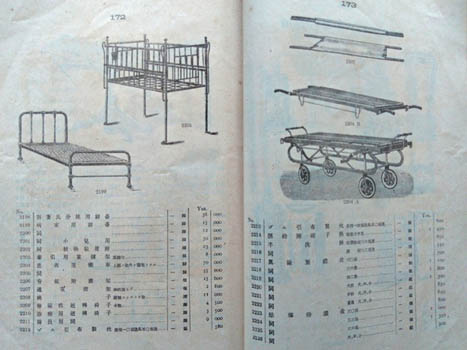
Catalogue - medical and dental equipment. Kawai Shoten, Tokyo. Caialogue [sic] (?) No. 5. [Iryokikkai Zufu?]. Tokyo, Kawai Shoten 1917 (Taisho 6). 22x15cm publisher's printed wrapper (covers somewhat shabby & ragged); [4],200pp, illustrated throughout. A used but decent copy. Au$200
An extensive catalogue of medical and dental equipment and all the necessary ancillaries - furniture, laboratory equipment, a few artificial limbs, and so on. This is Kawai's fifth catalogue but I can't find a record of any of them.
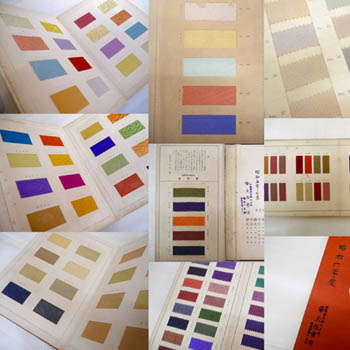
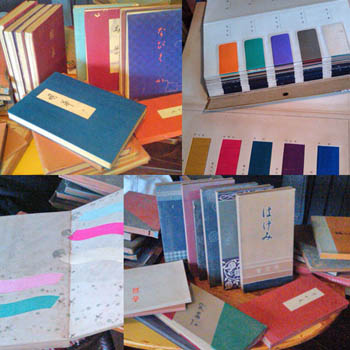
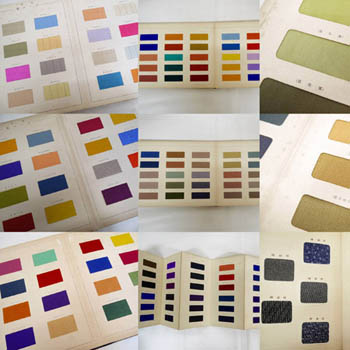
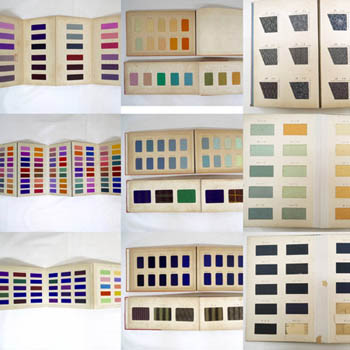
Kyoto Silk. A collection of 48 and a half large sample books of Kyoto silk from the twenties and thirties. Kyoto Orimonoshodo Meikai &c, c1920 to 1940. Various sizes corresponding to quarto or small folio, publisher's cloth or silk with stamped or paper label titles, some still in their card slipcases. Thousands of fabric samples mounted in window card leaves. These were, I'm told, in the family storehouse for decades and insects have sampled several covers and occasionally worked their way into the card leaves. A few covers show signs of mild damp but nothing drastic and there is general dustiness and some browning of card leaves - again nothing drastic - and all but one or two fabric swatches are in excellent shape. There are, out of however many thousand swatches in 48 volumes, perhaps a half dozen missing. The 49th - the half referred to - has about half of its 144 samples removed. Au$7200
These belonged to the Onishi Gofukumise, the Onishi Drygoods Store - kimono drapers of Uchika in the Ehime prefecture - a company that still exists in modern premises in the area. Their stamp is in many volumes and sometimes they have added a date stamp or written in the date, ranging from 1923 to 1938. All are from Kyoto, most under the banner of the Kyoto Orimonoshodo meikai - the textile merchants association. Lists of the member textile firms appear in some volumes.
The album titles, those I've been able to decipher, are not much help to me. They seem to be evocative or aspirational - much like the work of contemporary colour namers who label a colour 'harmony' instead of brown and 'hushed loam' rather than shit brown. Perhaps a textile expert will know that 'Encouragement', 'Mikado', 'Star' and 'Maple' (my approximations), if not trade marks, are particular ways of weaving or dyeing.
The first thing that struck me looking through these is the quality of book production. Many of these, most of these, are books produced with the same care as the best Kyoto design albums by publishers like Unsodo. There's nothing flimsy or slipshod; these books took a lot of time and care to make.
I don't like to boast but I can honestly say I know near as much about silk weaving as I do about playing the pedal steel guitar. Most of these seem to focus on the new season colours rather than patterns, though patterns are certainly there, but the weaving styles aren't by any means plain. There are creped silks, ribbed silks, damask like patterns and other esoteric textures produced by whatever occult means Japanese weavers used to make light play in different ways over the fabric.
Whether it's the pre-war born generation dying off or economic shift, a lot of fabulous textile stuff - design and sample albums - of the late 19th and early twentieth century has come out of Japan in the last few years. I've bought some and watched with hungry eyes much more go by and I notice it's slowed to a trickle. I'd like to think there's more to come but I suspect those old company and family storehouses have been pretty much emptied. I doubt another cache as rich as this, so specific to place and time, will be along anytime soon.
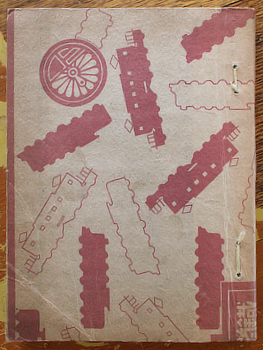
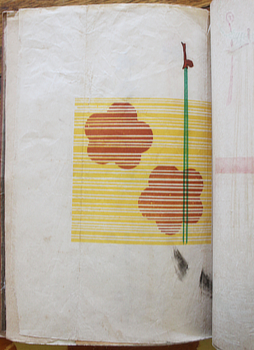
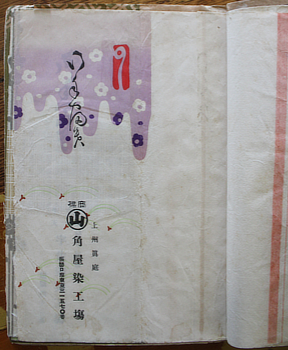
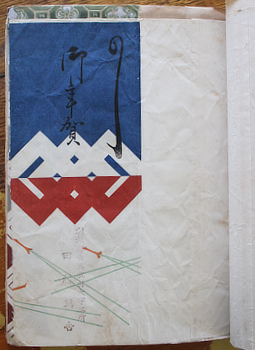
Noshigami. A sample book of Noshigami - special paper for gifts - from the Kadoya Dyeing Workshop, Tokyo. Tokyo [1920s?]. 24x18cm, home made printed stiff wrappers; 105 leaves of colour printed samples on different kinds of paper, various sizes. Au$400
Noshi-gami is specially printed paper to be folded and attached to gifts as I understand it. The ineluctable beauty of some patterns is enhancedher, I say, by being in a quite smart cover decorated with locomotives.
  1 [2] 3 1 [2] 3   |